
Amadeus Revolutionizes Hotel Industry with AI-Powered Tools at HITEC 2026
Amadeus, a global leader in travel technology, has unveiled an ambitious AI strategy for hotels at HITEC 2026. The company announced two major innovations: a full-stack AI Commerce solution and Amadeus Max, an AI-driven assistant layer. Together these tools connect Amadeus’s Central Reservation System, iHotelier platform and GDS infrastructure into new AI-powered booking channels and workflows. In practical terms, hotels can now offer fully embedded, conversational booking experiences – not just for rooms but also for activities, groups and events (via Delphi® and MeetingBroker®). Amadeus is even working with Google on a Universal Commerce Protocol (UCP) to standardize AI-driven transactions in travel.
- Agentic AI Commerce: Amadeus’s AI Commerce solution plugs into existing systems (ACRS, iHotelier, GDS) and connects them to AI assistants and chat agents. This means a guest could book a room through a voice assistant or chatbot as easily as on a website.
- Amadeus Max (AI Assistant): Amadeus Max is an AI layer across all Amadeus hospitality products. It acts like a smart concierge for hotel staff – for example, Max for Advisor lets managers ask natural-language questions (e.g. “How’s tonight’s occupancy?”) and instantly get answers from Demand360®, Agency360® or RevenueStrategy360® data. In future releases, Max will automate tasks in sales and events workflows – automatically assessing group booking inquiries, scoring proposals, and even optimizing RFP responses in Delphi® and MeetingBroker®.
- AI Search Visibility (GEO): To help hotels stand out in AI-driven searches, Amadeus introduced Performance Manager – AI Search, the first step toward generative engine optimization (GEO). Early pilots show that AI-powered search traffic converted at nearly twice the rate of organic web traffic (44.7% vs 25.9%). In short, Amadeus’s AI tools make sure hotels stay “discoverable, in control and able to convert demand” even in chatbots and voice agents.

Enhancing Guest Experiences with AI
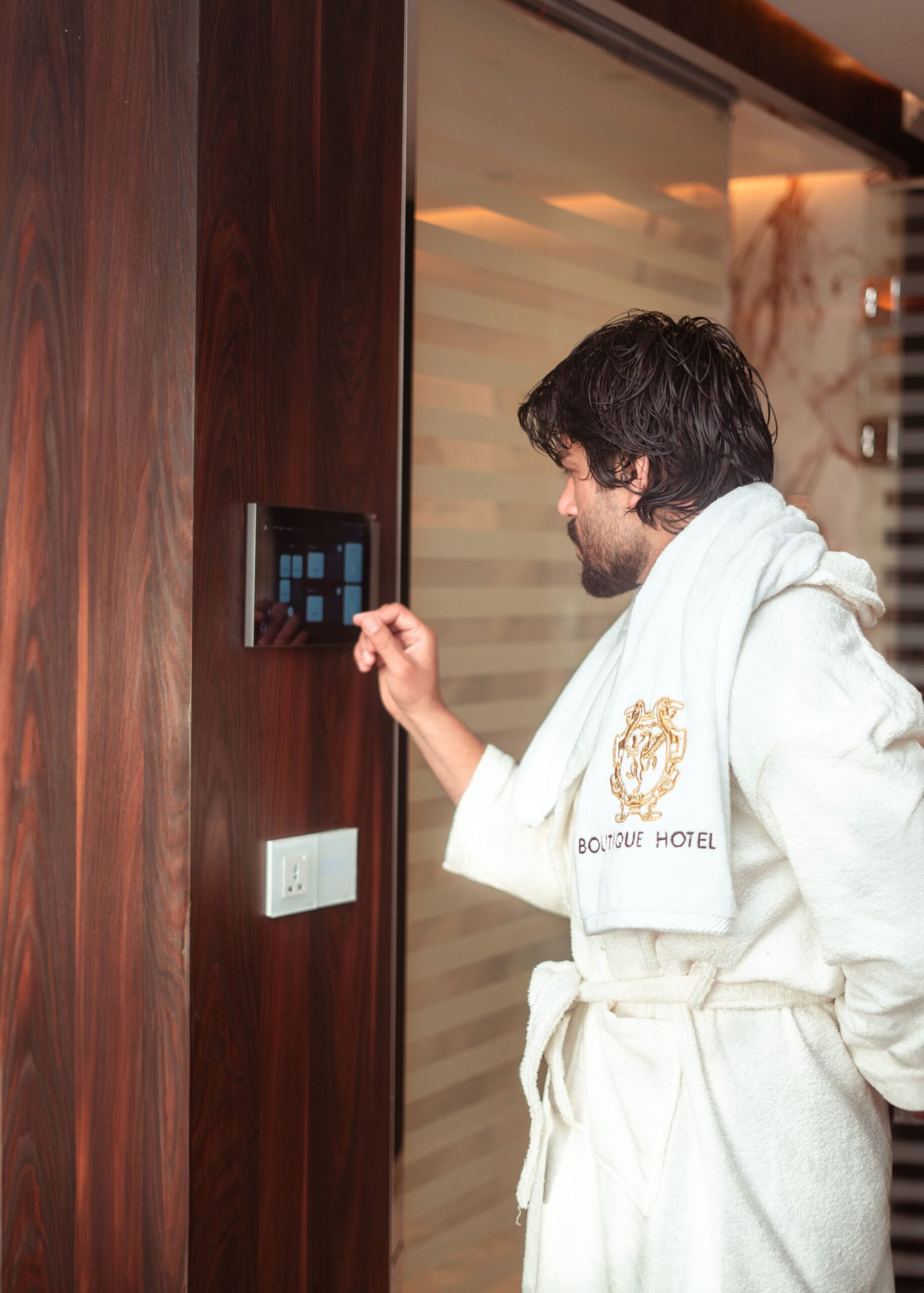
For travelers, these innovations translate to personalized, frictionless stays. Amadeus’s AI tools can learn guest preferences and history to tailor services automatically. Imagine arriving at a hotel where the front desk already knows your favorite room temperature or morning beverage. According to industry data, over half of guests are more likely to book a hotel offering AI-driven, personalized recommendations. Amadeus’s new AI Booking Assistant takes this a step further: it embeds into hotel websites and chat channels so guests can use conversational search and check-in. In trials, it helped guests find and book rooms much faster.
- Customized Recommendations: AI can suggest dining options, activities or upgrades based on a guest’s past stays. For example, a returning guest who usually orders extra pillows could automatically receive a room with special amenities waiting. This kind of personalization makes stays smoother and more memorable.
- Faster Check-In/Check-Out: Amadeus’s AI Booking Assistant (and similar chatbots) automate routine tasks like check-in or simple questions. Guests can check themselves in via a smartphone or kiosk, avoiding lines. Hotels are already seeing big benefits: one study found that 54% of travelers would prefer hotels offering AI personalization. Conversational interfaces (chatbots on the hotel website or mobile app) can handle up to 80% of simple guest requests, freeing staff to focus on high-touch service.
By embedding AI into the guest journey, Amadeus aims to raise satisfaction. Hotel staff get more time to connect with guests personally, while mundane tasks run in the background. Travelers get perks like instant room upgrades or tailored offers. In fact, industry reports show hotels using AI see higher guest satisfaction and revenue – a trend that smart travelers can expect to feel in services and occasional surprise benefits (better rates, bonus points, or freebies).
Streamlining Hotel Operations
Behind the scenes, Amadeus’s AI solutions are all about efficiency and profit. Automating routine work allows hotels to run leaner and smarter. For example, the AI Commerce platform uses machine learning for dynamic pricing – constantly adjusting room rates based on demand, occupancy and market trends. This ensures guests get competitive deals while hotels maximize occupancy. Studies show AI-driven pricing can boost hotel revenue by 6–10% on average.
- Inventory & Room Management: AI tools can automatically assign rooms and track availability. If a late check-out frees a room, the system can instantly make it bookable online. Hoteliers often manually juggle room blocks, but AI can handle this in real time.
- Revenue Optimization: Amadeus’s platforms continuously analyze booking trends. For example, the new AI Commerce showed that nearly 45% of guests who find a hotel via an AI channel complete a booking, vs 26% from regular search. By integrating with the hotel’s reservation engine and GDS, Amadeus makes it easy to capture that demand without extra effort.
- Operational Alerts: AI can monitor operations – e.g. alerting management if occupancy surges or if key metrics fall below target. The “Performance Manager – AI Search” not only drives traffic, it also provides insights, so hotels can see which offers or dates are most popular through AI channels.
- Human Resources: Tasks like scheduling, housekeeping requests and guest messaging can be handled by AI chatbots or agents. The goal is to let staff spend time on hospitality, not paperwork. In practice, hotels using AI report saving significant staff time and reducing manual errors.
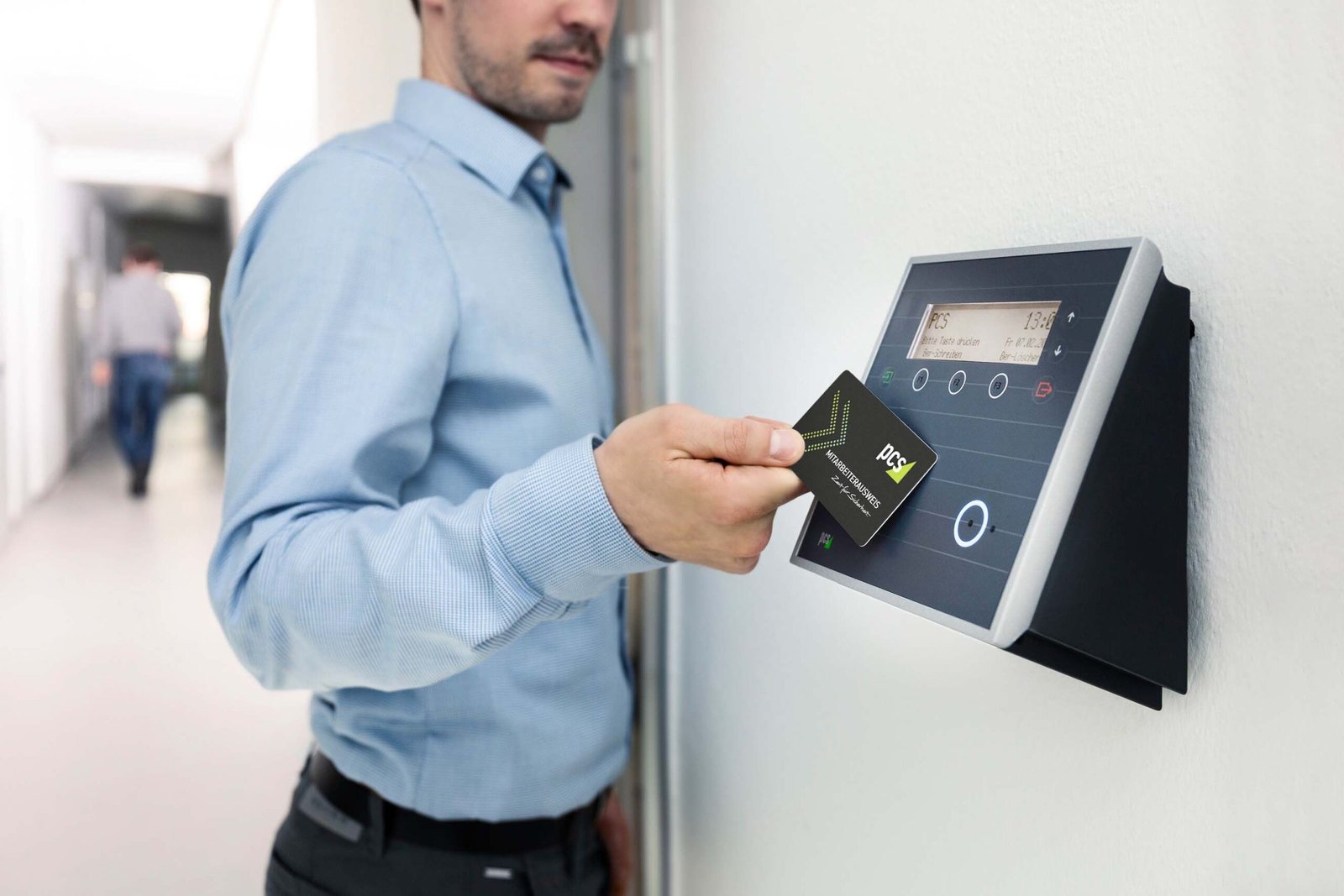
The net effect is powerful: more automation, higher occupancy and lower costs. These savings can be reinvested into better service or amenities. For example, AI-driven energy management systems (like Hilton’s LightStay) have cut utility costs massively, saving over a billion dollars globally for Hilton and slashing carbon emissions by ~30%. Amadeus’s tools don’t directly manage lights, but the freed-up revenue and efficiency can help hotels pursue similar green initiatives.
Benefits of AI: Why Hoteliers and Guests Win
This AI upgrade is a win-win for both hotels and travelers. Hoteliers get a powerful toolkit to stay competitive, while guests enjoy smoother stays and often better deals. Industry surveys reflect this shift: 82% of hotel tech leaders plan to increase AI use next year, expecting gains in revenue, staff productivity and guest happiness.
For guests, the payoff is tangible: personalized service and faster experiences. Imagine bumping up to a nicer room without asking, or receiving a dining voucher because AI noticed you booked a weekend package. Studies show 75% of hotels are already exploring AI for pricing and revenue management, and over half of travelers appreciate AI tools that find them better deals and streamline check-in. Even everyday perks – like a mobile app that unlocks your room door or lets you chat with a virtual concierge – are on the horizon thanks to this tech wave.
For hoteliers, the advantages are clear. Amadeus President Francisco Pérez-Lozao Rüter sums it up: “AI is reshaping how travelers discover, shop, book and experience hotels… helping teams work faster, make better decisions, and deliver more personalized guest experiences”. By automating grunt work and crunching data, Amadeus’s AI suite helps hotels stay visible, competitive and in control. A recent Canary Technologies study found that hoteliers using AI report major benefits – from time savings and higher guest satisfaction to increased revenues. In fact, consumers increasingly demand it: roughly 60% of guests are willing to share data to enable AI personalization, and 68% would chat with an AI bot for basic hotel information.
Looking Ahead: Smarter Travel on the Horizon
Amadeus’s new AI tools signal a big shift toward a smarter, more sustainable hotel industry. Hotels that adopt these systems can offer guests better experiences without swelling staff. As AI takes over routine tasks, human employees can focus on building those special personal connections – the “wow” moments that technology can’t replace.
For travelers, the future means smoother check-ins, personalized surprises, and likely more value. Fewer booking headaches, more perks and better rates await those who choose forward-looking hotels. And as competition heats up, we might see even more generous loyalty bonuses and promotions from AI-savvy properties.
As you plan your next trip, keep an eye out for hotels touting “AI concierge” or “smart check-in.” These buzzwords could soon translate into real comfort and savings. In the meantime, make sure you travel smart too: for expert trip planning tips and a FREE packing checklist, visit our affiliate site GetTravelled – your go-to for travel guides, tips and resources.
Ready for an AI-enhanced stay? The hotel of the future is arriving, and your next vacation could be even better because of it!
Sources: Amadeus press releases and industry reports. (Data reflects announcements at HITEC 2026 and recent industry analyses.)