
15-Year-Old Travel Company Goes Bankrupt: What Travelers Need to Know in 2026
Travel company goes bankrupt
travel-company-goes-bankrupt-2026
A 15-year-old travel company has gone bankrupt and cancelled all trips. Learn how to protect your booking, claim refunds, and travel smarter in 2026.
15-Year-Old Travel Company Goes Bankrupt: What Travelers Need to Know
The travel industry has been rocked by the sudden collapse of a 15-year-old travel company, leaving thousands of customers with cancelled holidays, uncertain refunds, and disrupted travel plans. While the news has shocked travellers worldwide, it also serves as an important reminder of why booking protection, travel insurance, and reputable travel providers matter more than ever.
Whether you’ve been directly affected or simply want to protect your future holidays, this guide explains what happened, what you should do next, and how to minimise your financial risk when booking future trips.


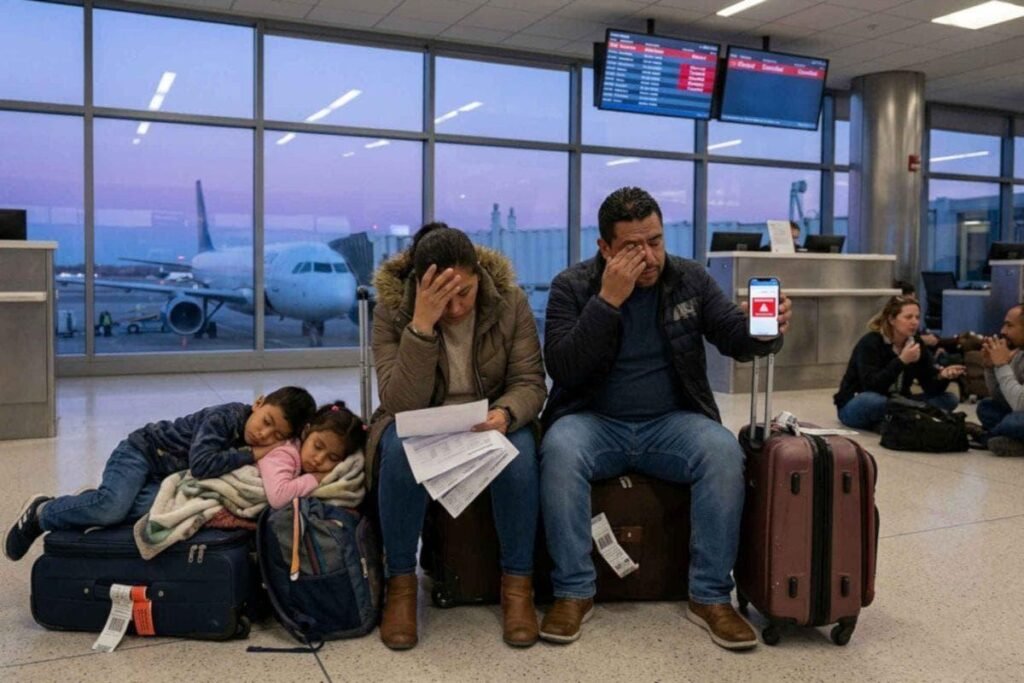
Why Did the Travel Company Go Bankrupt?
After operating successfully for over 15 years, the company unexpectedly ceased trading and cancelled all future departures. Although the exact causes continue to emerge, industry experts commonly point to several contributing factors:
- Rising operational costs
- Reduced consumer spending
- Inflation and high interest rates
- Increased airline and accommodation prices
- Lower profit margins
- Ongoing recovery challenges following the pandemic
Like many businesses in tourism, travel companies often rely heavily on advance customer bookings and healthy cash flow. When bookings slow while expenses continue rising, financial pressure can become overwhelming.
What Happens If Your Travel Company Goes Bust?
Finding out your holiday has been cancelled can be stressful, especially if you’ve already paid thousands of dollars.
If your travel company becomes insolvent, you should act quickly.
1. Contact Your Travel Provider Immediately
Confirm whether:
- Your booking has officially been cancelled
- Alternative arrangements are available
- Refund procedures have started
- Another company has taken over your booking
Keep copies of:
- Booking confirmations
- Payment receipts
- Emails
- Travel itineraries
2. Contact Your Credit Card Provider
If you paid using a credit card, you may be able to request a chargeback.
Many banks offer protection when goods or services are never delivered.
The sooner you begin the process, the better your chances of recovering your money.
3. Check Your Travel Insurance
Good travel insurance may cover:
- Insolvency of travel providers (depending on the policy)
- Trip cancellation
- Additional accommodation
- Emergency transportation
- Unexpected travel expenses
Before purchasing any future holiday, compare policies carefully and understand what insolvency protection is included.
For more practical travel advice, destination guides, and money-saving tips, visit Get Travelled Australia:
https://gettravelled.com.au/
You’ll also find a FREE downloadable travel packing checklist to help prepare for your next adventure.
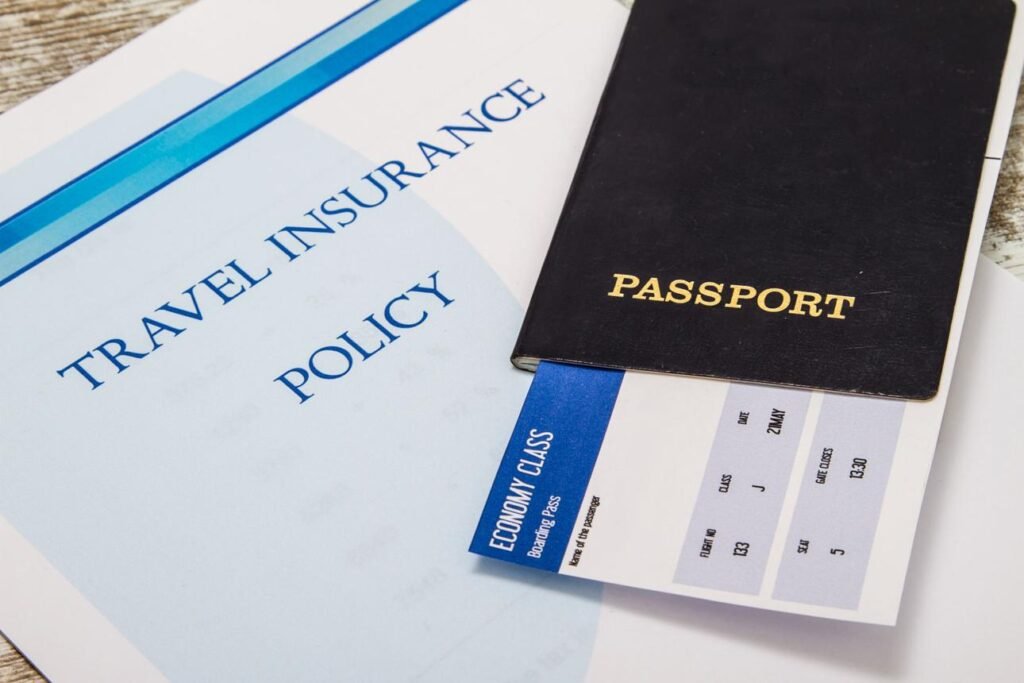
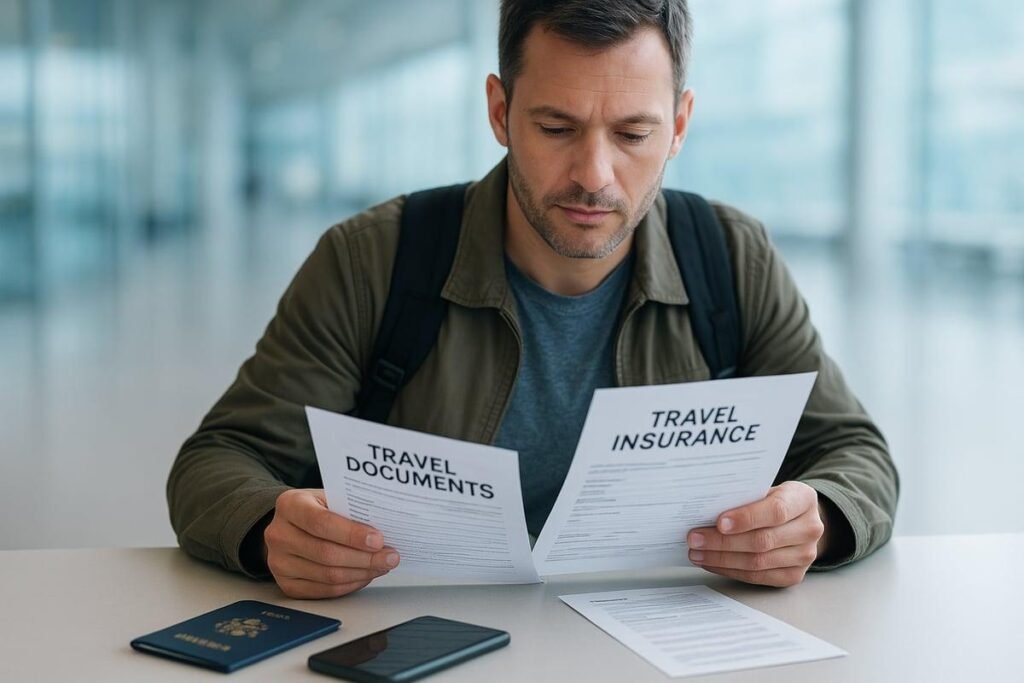

Travel insurance and payment protection can help travellers recover losses after travel company collapses.
Can You Get Your Money Back?
Recovery depends on several factors, including:
- How you paid
- Whether travel insurance covers insolvency
- Consumer protection laws in your country
- Whether administrators recover company assets
Possible recovery options include:
- Credit card chargeback
- Travel insurance claim
- Consumer protection agency assistance
- Bankruptcy administrator claims
Always act as soon as possible because some claim periods are limited.
Employees Also Face Major Challenges
While customers understandably focus on cancelled holidays, hundreds of employees have also lost their jobs.
Many worked for the business for years, helping families create unforgettable travel memories.
The collapse highlights how vulnerable the tourism industry remains despite strong global demand.
Fortunately, experienced travel professionals often possess transferable skills including:
- Customer service
- Sales
- Marketing
- Event planning
- Operations
- Digital tourism
Many will likely find opportunities with airlines, hotels, cruise operators, tour companies, or even launch their own travel businesses.
How to Protect Yourself When Booking Future Holidays
No traveller expects their holiday provider to go bankrupt.
Fortunately, there are several ways to reduce your risk.
Book With Established Providers
Research:
- Customer reviews
- Financial reputation
- Industry accreditation
- Years in business
Purchase Comprehensive Travel Insurance
Don’t simply buy the cheapest policy.
Look for coverage including:
- Supplier insolvency
- Trip interruption
- Medical emergencies
- Lost luggage
- Cancellation protection
Use Credit Cards Instead of Bank Transfers
Credit cards often provide additional purchase protection that direct bank transfers cannot.
Avoid Paying Too Far in Advance
Whenever possible:
- Book flexible rates
- Pay deposits rather than full balances
- Choose refundable accommodation
Stay Informed
Before travelling, monitor:
- Airline updates
- Travel advisories
- Company announcements
Reliable information allows you to react quickly if problems arise.
Smarter Travel Starts With Better Planning
Unexpected events can happen to even long-established travel companies.
Fortunately, smart planning significantly reduces financial risk.
Before booking your next adventure, explore the expert travel resources available at Get Travelled Australia:
👉 Travel guides
https://gettravelled.com.au/
👉 Money-saving travel tips
https://gettravelled.com.au/
👉 FREE Printable Packing Checklist
https://gettravelled.com.au/
Whether you’re planning a weekend getaway or an overseas holiday, you’ll find practical advice designed to make travelling easier, safer, and more affordable.

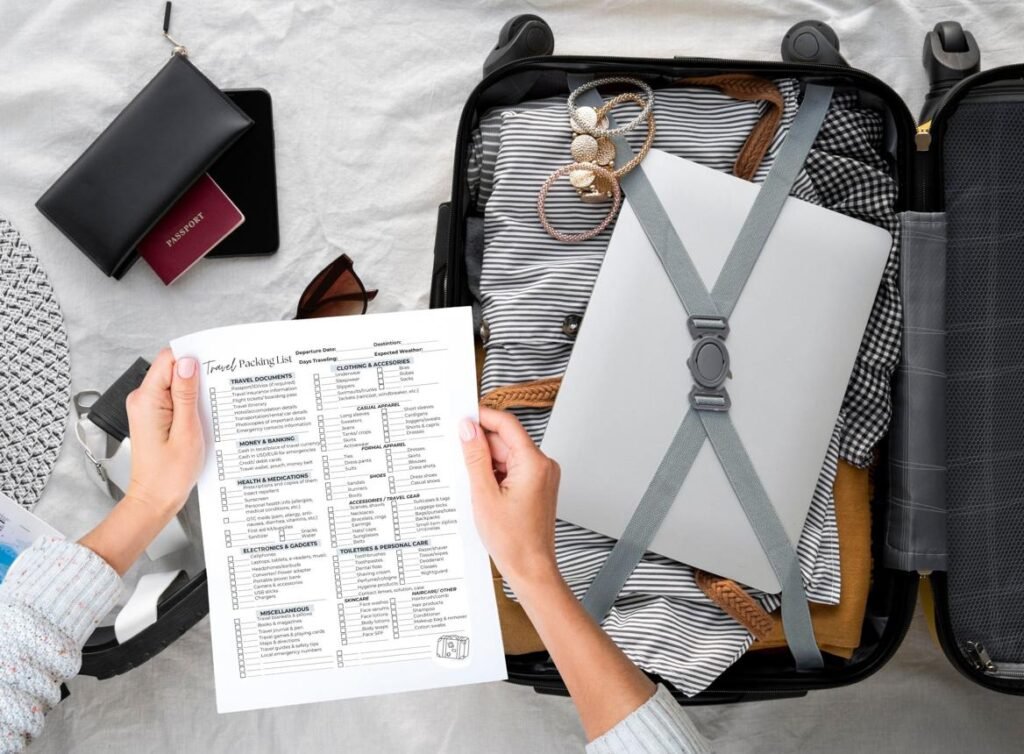

Planning your holiday with travel insurance and a packing checklist helps reduce travel stress.
What Does This Mean for the Travel Industry?
Despite occasional company failures, the travel sector continues to recover strongly.
Industry experts expect several trends to accelerate:
- Greater financial transparency
- More flexible cancellation policies
- Increased travel insurance uptake
- Growth in personalised travel experiences
- AI-powered travel planning
- Stronger consumer protection
Travellers are increasingly seeking providers that offer flexibility, security, and excellent customer service.
Final Thoughts
The bankruptcy of a respected travel company is disappointing for everyone involved—from customers and employees to industry partners.
However, it also reinforces an important lesson: preparation is one of the best travel investments you can make.
By choosing reputable travel providers, purchasing comprehensive travel insurance, using protected payment methods, and staying informed, you can significantly reduce the impact of unexpected disruptions.
Travel remains one of life’s greatest experiences, and with careful planning, your next adventure can still be safe, enjoyable, and memorable.
Frequently Asked Questions (FAQ)
What should I do if my travel company goes bankrupt?
Immediately contact the company, your credit card provider, and your travel insurance company. Keep all booking documents and payment records.
Can I get a refund if my trip is cancelled?
Possibly. Refunds may be available through chargebacks, travel insurance, or insolvency proceedings depending on your circumstances.
Does travel insurance cover company bankruptcy?
Some policies include supplier insolvency protection, while others do not. Always check your policy wording before purchasing.
How can I avoid losing money when booking travel?
Book with reputable companies, use a credit card, purchase comprehensive travel insurance, and avoid paying the full balance too far in advance.
Where can I find free travel planning resources?
Visit https://gettravelled.com.au/ for destination guides, travel tips, hospitality recommendations, and a FREE downloadable packing checklist.