
Bhutan Travel Policies Embrace Sustainable Tourism Growth
Bhutan, often called the Land of the Thunder Dragon, is renowned for its commitment to Gross National Happiness (GNH) and environmental preservation. Its dramatic landscapes, from Himalayan peaks to lush valleys, draw travelers seeking unique cultural and eco-friendly experiences. Since opening to visitors in 1974, Bhutan has carefully managed tourism to benefit its people. In recent years, Bhutan has updated its travel policies to strengthen sustainable tourism, emphasizing an eco-conscious approach to welcoming visitors. These changes reflect Bhutan’s pioneering status in responsible travel. For more travel advice, see GetTravelled’s Bhutan travel guide and official sources for the latest updates.
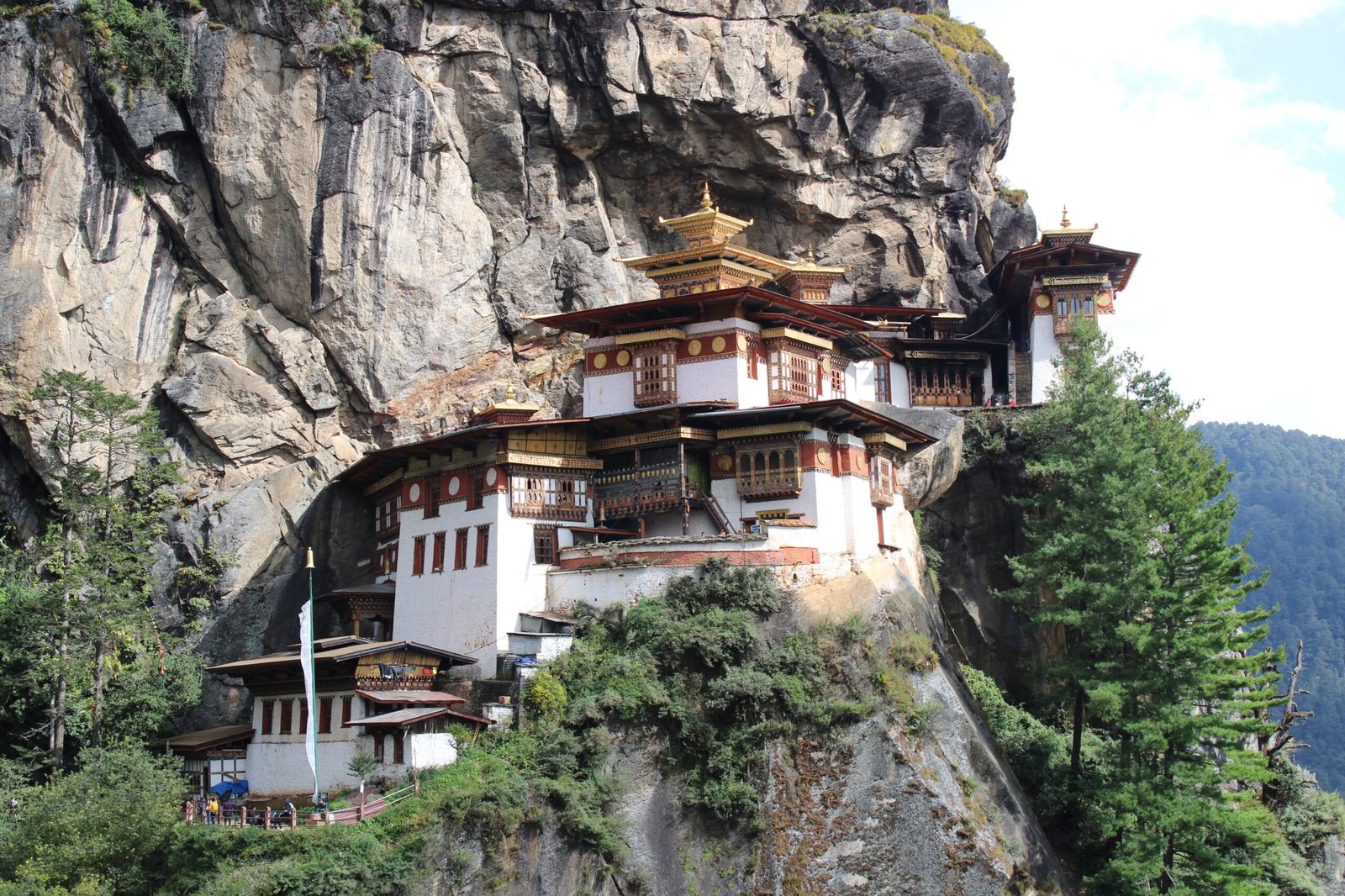
Punakha Dzong, a historic monastery fortress overlooking a valley in Bhutan. Bhutan’s approach to tourism is built on the principle of “high-value, low-volume” travel. Instead of mass tourism, the kingdom focuses on attracting visitors who value immersive, mindful experiences. This strategy has helped protect Bhutan’s environment and culture while supporting local communities. Every international tourist (except citizens of India, Bangladesh, and the Maldives) must pay a Sustainable Development Fee (SDF), which funds schools, hospitals, and conservation projects across Bhutan. For example, the daily SDF was recently reduced to US$100 to encourage longer stays. Travelers also must book tours through licensed operators, ensuring that visits follow Bhutan’s sustainability standards.
New Bhutan Travel Policies for Sustainability
Bhutan’s updated travel policies further align with the nation’s sustainability goals. In 2023, the Department of Tourism announced a reduction of the SDF from USD $200 to $100 per visitor per day through September 2027. This fee reduction makes Bhutan more accessible while still funding critical environmental and community programs. Bhutan continues to regulate tourism by requiring visas to be processed through accredited tour operators and maintaining minimum spending thresholds for daily tours. These measures ensure tourism growth occurs without straining Bhutan’s resources and culture.
Why Bhutan’s High-Value Tourism Model Works
Bhutan’s model effectively balances growth with preservation. By limiting visitor numbers and focusing on higher fees, Bhutan reduces overcrowding and minimizes tourism’s environmental impact. The revenue from the SDF supports ecological conservation, healthcare, and education, benefiting Bhutan’s rural communities and ecosystems. This “high-value, low-volume” strategy means that each visitor contributes greatly to the nation’s prosperity. Bhutan’s unique philosophy of Gross National Happiness ensures that tourist satisfaction and local well-being are equally important. Emphasizing sustainability has been core to Bhutan’s identity: over 70% of the country is forested, and Bhutan absorbs more carbon than it emits. It remains one of the world’s few carbon-negative countries thanks to rigorous conservation efforts. Visitors contribute to this vision by following guidelines (minimizing waste and supporting protected areas), showcasing Bhutan’s unwavering commitment to its environmental goals.
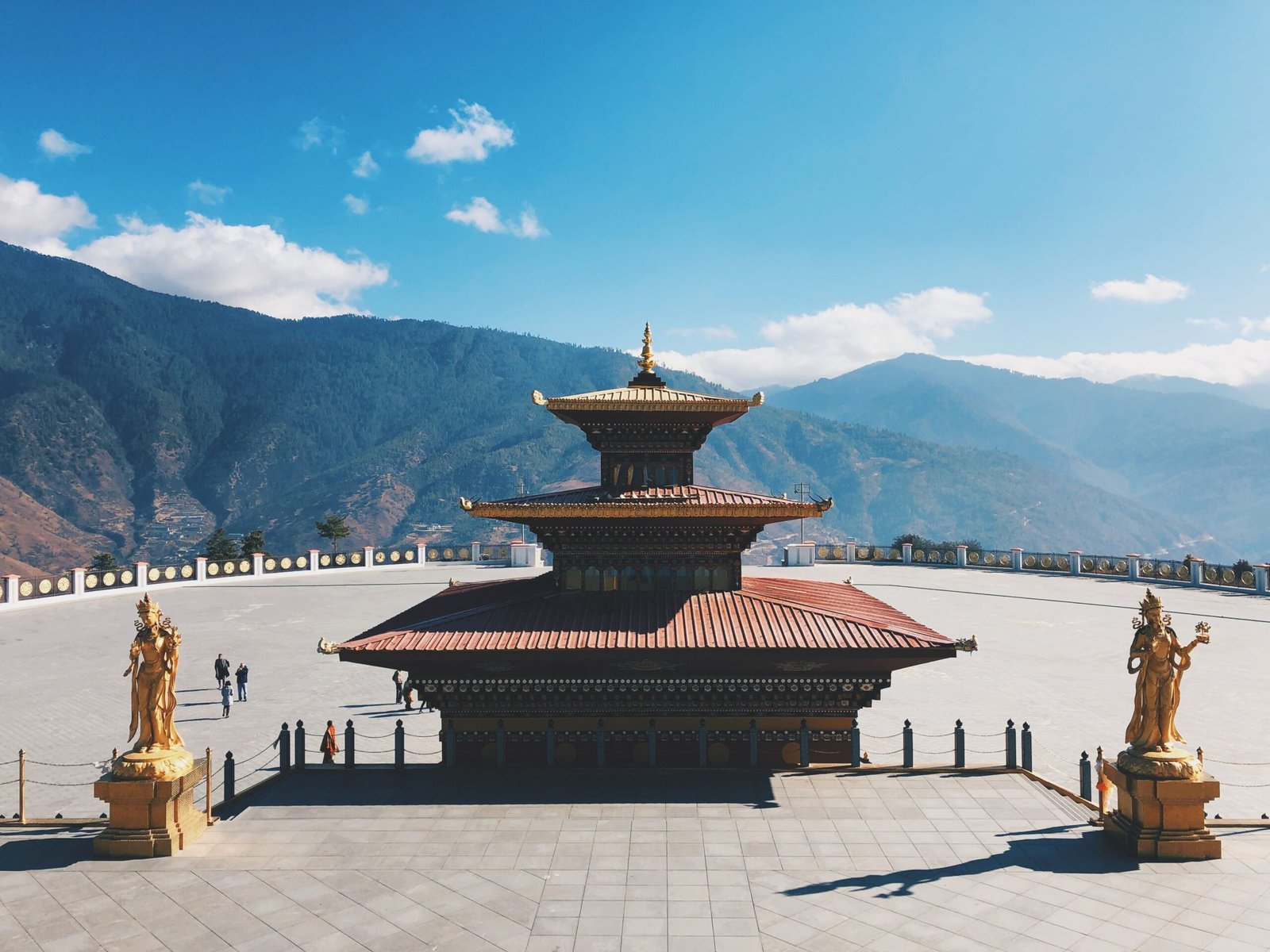
A traditional Bhutanese temple set against the backdrop of the Himalayas.The Bhutanese government continuously refines its policies to adapt to global trends. For instance, the 2023 fee reduction was also framed as a response to post-pandemic recovery and changing economic conditions. Such adaptability ensures Bhutan’s tourism stays resilient yet responsible. Tourism operators and travelers are encouraged to embrace Bhutan’s values by supporting community-based projects (like handicraft cooperatives) and participating in cultural exchanges. This approach means Bhutan’s tourism model is often cited as a blueprint for other destinations seeking sustainable growth.
Planning Your Bhutan Trip: Tips & Guidelines
Travelers planning a trip to Bhutan should prepare well in advance. Beyond arranging flights into Paro International Airport, tourists must comply with Bhutan’s travel requirements. All visitors (except SAARC nationals) must pay the Sustainable Development Fee (SDF), which is usually included in tour packages. Tourists must also apply for visas through the Bhutan visa portal or authorized agencies. When booking accommodations and tours, look for reputable operators that emphasize eco-friendly travel practices. For personalized travel tips and recommended itineraries, consult both official sources and curated travel guides (such as GetTravelled’s Bhutan section).
Key Bhutan Travel Tips:
- Engage local guides who understand Bhutan’s culture and environment.
- Respect local customs (cover shoulders, remove shoes in temples) and avoid disruptive behavior.
- Bring travel insurance and enough local currency (Bhutanese Ngultrum) for minor expenses.
- Support community-based tourism (e.g. handicrafts, homestays) to benefit local villages.
A Buddhist monk walks across a suspension bridge draped with prayer flags in Bhutan. It’s also wise to plan for Bhutan’s terrain and climate. Acclimatize by spending time in lower-altitude towns like Thimphu before trekking higher into the mountains. Pack for cool evenings and carry reusable water bottles. When visiting sites such as Paro Taktsang (Tiger’s Nest Monastery) or the lush valleys of Punakha, be mindful of local customs and environmental rules. Eco-conscious tourists should consider offsetting their carbon footprint and minimizing plastic waste. Engaging with local communities through responsible tourism experiences enriches your journey and supports Bhutan’s vision of mindful travel.
Conclusion: Bhutan’s Sustainable Vision
Bhutan’s latest travel policies showcase how a country can welcome visitors while safeguarding its heritage and environment. By charging a meaningful Sustainable Development Fee and regulating tourist flows, Bhutan ensures that tourism revenue enhances community well-being and ecosystem health. This model of sustainable tourism has made Bhutan a global example of responsible travel. Travelers who respect these principles will find Bhutan to be a uniquely rewarding destination.
For readers interested in exploring Bhutan, GetTravelled offers additional guides on sustainable travel in Asia and practical advice for visiting the Land of the Thunder Dragon. Plan ahead, travel responsibly, and Bhutan will reward you with an unforgettable journey.