
Strategies to Navigate Ad Spend with Media Strategy Changes
Strategies to Navigate Ad Spend
strategies-to-navigate-ad-spend-media-strategy
Discover proven strategies to optimize ad spend as media strategies evolve. Learn data-driven tactics to improve ROI, reach audiences, and grow smarter.
Strategies to Navigate Ad Spend with Changes in Media Strategy
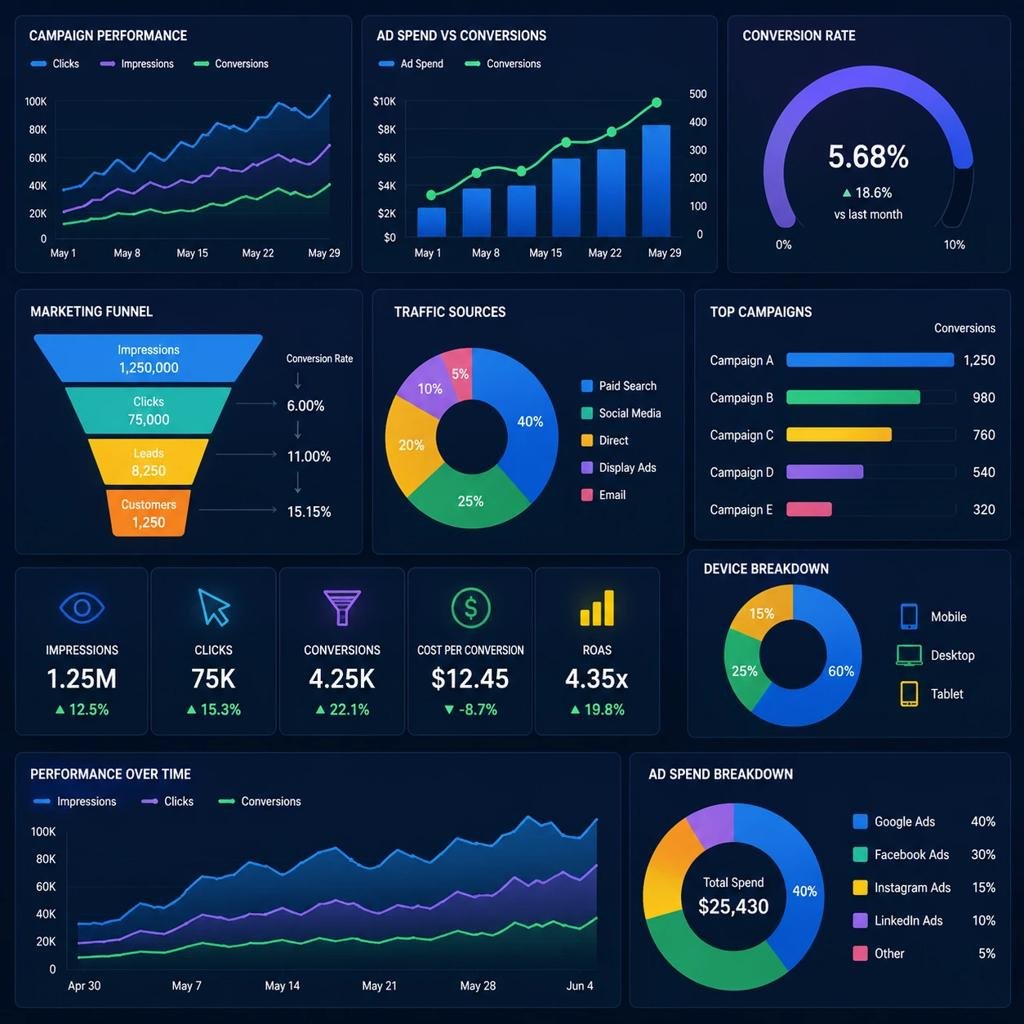

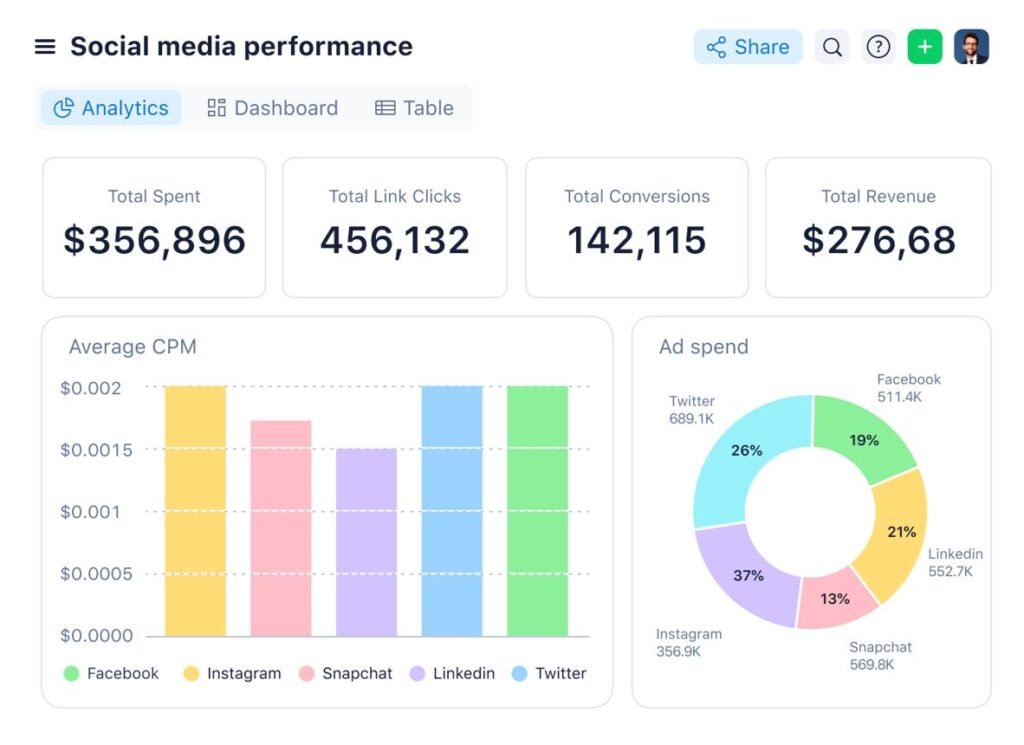
The digital advertising landscape is evolving faster than ever. Consumer behavior continues to shift across platforms, AI is transforming campaign management, and privacy regulations are changing how businesses collect and use customer data. As a result, companies must rethink their ad spend strategies to maximize every marketing dollar.
Whether you’re running campaigns for a hotel, airline, travel agency, hospitality business, or eCommerce brand, understanding how to allocate your advertising budget effectively has become essential for long-term success.
If you’re looking for travel marketing inspiration, hospitality insights, or practical travel resources, visit https://gettravelled.com.au/ for expert travel guides, destination advice, and a FREE downloadable packing checklist before your next adventure.
Why Media Strategy Is Changing So Quickly
Several major trends are reshaping digital advertising worldwide:
- Artificial Intelligence is automating campaign optimization.
- Privacy updates are reducing third-party tracking.
- Short-form video dominates consumer attention.
- Influencer marketing continues to outperform many traditional ads.
- Customers now interact with brands across multiple devices before purchasing.
Instead of simply reaching the largest audience possible, today’s marketers must deliver highly relevant content at exactly the right moment.
Why Your Ad Spend Strategy Must Evolve
An outdated advertising strategy wastes valuable marketing budgets.
Imagine investing thousands of dollars into advertising on a platform where your ideal customers rarely engage. Even great creative cannot overcome poor audience targeting.
Updating your media strategy allows businesses to:
- Improve Return on Investment (ROI)
- Reach highly targeted audiences
- Reduce wasted advertising costs
- Increase conversions
- Stay ahead of competitors
- Adapt to changing customer behavior
1. Understand Where Your Audience Actually Spends Time

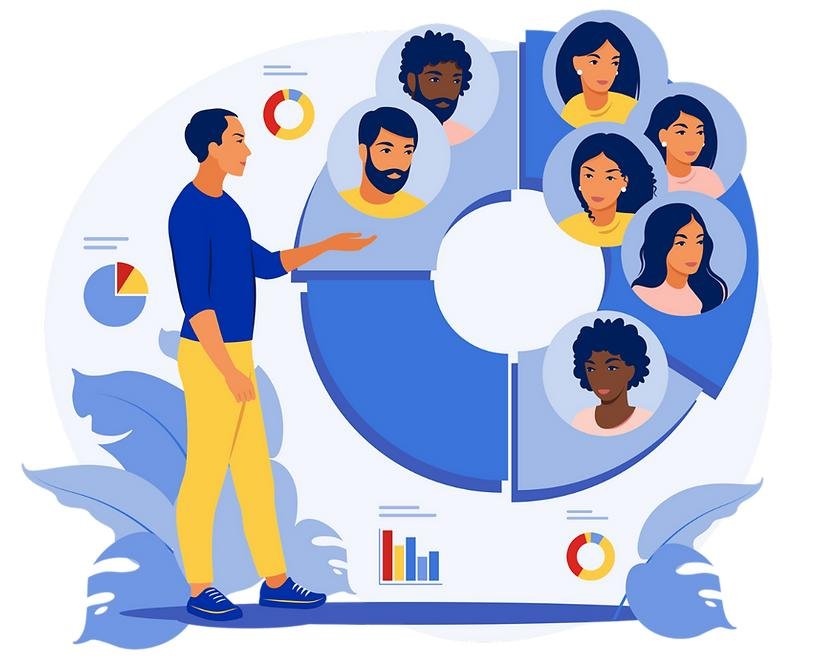

Every successful campaign starts with understanding your audience.
Use analytics tools such as:
- Google Analytics 4
- Meta Business Suite
- LinkedIn Analytics
- TikTok Analytics
- CRM customer insights
Look for:
- Age demographics
- Device usage
- Geographic location
- Interests
- Buying behavior
- Peak engagement times
The more precisely you understand your audience, the more efficiently you can allocate advertising budgets.
2. Let Data Drive Every Advertising Decision
Successful marketers rely on measurable results—not assumptions.
Monitor key performance indicators (KPIs) including:
| KPI | Why It Matters |
|---|---|
| Click-Through Rate (CTR) | Measures ad engagement |
| Cost Per Click (CPC) | Controls spending efficiency |
| Conversion Rate | Indicates campaign effectiveness |
| Return on Ad Spend (ROAS) | Measures profitability |
| Customer Acquisition Cost (CAC) | Determines long-term sustainability |
| Lifetime Customer Value (LTV) | Helps evaluate future revenue |
Regular reporting enables continuous optimization while eliminating underperforming campaigns.
3. Test Small Before Scaling
Rather than committing your entire budget to one campaign, adopt a test-and-learn approach.
For example:
- Test different headlines
- Compare multiple creatives
- Try several audience segments
- Experiment with AI-generated ads
- Compare video versus image ads
Once clear winners emerge, gradually increase spending.
This reduces risk while maximizing advertising efficiency.
4. Invest in High-Performing Video Content
Video continues to dominate nearly every digital platform.
Popular advertising channels include:
- YouTube
- TikTok
- Instagram Reels
- Facebook Video
- LinkedIn Video
Short, authentic videos often outperform polished commercials because they feel more relatable and generate higher engagement.
5. Build Strategic Influencer Partnerships
Influencer marketing has matured into one of today’s highest-performing digital channels.
Instead of focusing only on celebrity influencers, many businesses now achieve stronger results by partnering with:
- Micro-influencers
- Local creators
- Industry experts
- Travel bloggers
- Hospitality content creators
The key is finding creators whose audiences closely match your target customers.
Authenticity consistently outperforms follower count.
6. Diversify Across Multiple Advertising Channels
Never rely on a single traffic source.
An effective media strategy combines multiple channels such as:
- Google Search Ads
- Google Display Network
- Facebook Ads
- Instagram Ads
- TikTok Ads
- LinkedIn Ads
- Email Marketing
- SEO
- Content Marketing
- Podcast Sponsorships
A diversified strategy reduces risk while improving overall customer reach.
7. Use AI to Optimize Campaign Performance
Artificial Intelligence is changing digital marketing.
AI-powered advertising platforms now help marketers:
- Predict customer behavior
- Optimize bidding automatically
- Personalize messaging
- Improve audience targeting
- Generate creative assets
- Forecast campaign performance
Businesses embracing AI often gain significant efficiency advantages over competitors still relying solely on manual optimization.
8. Continuously Learn and Adapt
Digital marketing never stands still.
Successful marketers dedicate time to learning through:
- Industry webinars
- Marketing conferences
- Online certifications
- Professional communities
- Case studies
- Platform updates
The businesses that adapt fastest often outperform those with larger advertising budgets.
Measure Everything
The best advertising strategy is one that improves over time.
Track your campaigns weekly or monthly and ask:
- Which campaigns generated the highest ROI?
- Which audiences converted best?
- Which creatives produced the most engagement?
- Which channels delivered the lowest acquisition cost?
Data-driven optimization turns average campaigns into exceptional performers.
How Travel and Hospitality Businesses Can Benefit
Hotels, airlines, tour operators, travel agencies, and hospitality brands can especially benefit from smarter media spending.
Successful travel campaigns often combine:
- Destination storytelling
- User-generated content
- Seasonal promotions
- Influencer collaborations
- Email remarketing
- Google Hotel Ads
- Social media advertising
For more travel marketing inspiration, destination guides, expert travel advice, and a FREE downloadable packing checklist, visit https://gettravelled.com.au/ before planning your next journey.
Frequently Asked Questions (FAQ)
What is ad spend?
Ad spend refers to the total amount of money a business invests in advertising campaigns across digital and traditional marketing channels.
Why should businesses regularly review their media strategy?
Consumer behavior, technology, and advertising platforms constantly evolve. Regular reviews ensure budgets are allocated where they generate the highest return.
What is ROAS?
ROAS (Return on Ad Spend) measures the revenue generated for every dollar spent on advertising.
Why is AI becoming important in advertising?
AI helps automate campaign optimization, improve targeting, predict customer behavior, and maximize advertising performance with less manual effort.
What is the best advertising strategy in 2026?
A multi-channel, data-driven approach combining AI, video marketing, influencer partnerships, SEO, and continuous testing is considered the most effective strategy for sustainable growth.
Conclusion
Modern advertising is no longer about spending more—it’s about spending smarter.
Businesses that embrace data, leverage AI, diversify across channels, and continually optimize campaigns will be better positioned to navigate an increasingly complex media landscape.
Whether you’re promoting a travel business, hospitality brand, or online service, adapting your ad spend strategy today can lead to stronger customer engagement, higher ROI, and sustainable growth in the years ahead.